
Hair ·
Who Is Not a Suitable Candidate for Hair Transplantation?
Hair transplantation is not right for everyone. When surgery may be unsuitable or should be postponed, and how suitability is assessed.
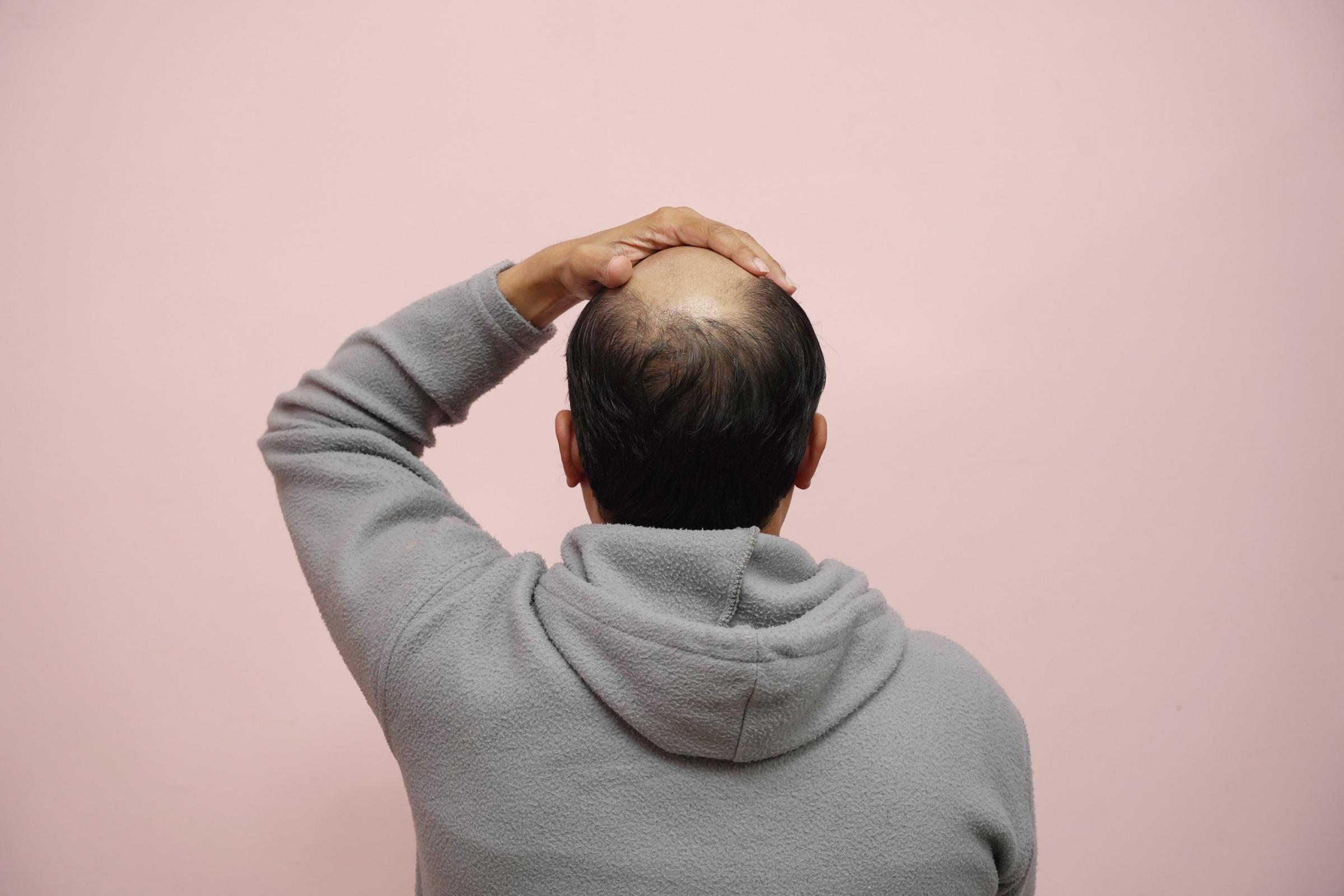
Who Is Not a Suitable Candidate? is an important question for anyone considering surgical hair restoration. Hair transplantation is not appropriate for every person experiencing hair loss. The cause of hair loss, donor-area quality, scalp health, general medical condition and expectations all influence suitability. In some cases, surgery should be postponed; in others, a non-surgical treatment or a different medical approach may be more appropriate.
People With an Unclear Cause of Hair Loss
Hair loss can result from several conditions, and not all of them are suitable for surgical treatment.
Sudden shedding, patchy hair loss, inflammatory scalp conditions and scarring disorders may require diagnosis and treatment before transplantation is considered.
Proceeding without identifying the underlying cause may lead to an unsuitable treatment plan.
People With Insufficient Donor Hair
Hair transplantation depends on the availability of suitable donor follicles.
Patients with very low donor density, extensive thinning in the donor area or significant scarring may not have enough suitable follicles for the desired coverage.
A high graft requirement does not mean that the donor area can safely provide that number.
People With Diffuse Hair Loss Affecting the Donor Area
In some patients, thinning is not limited to the frontal or crown regions. The back and sides of the scalp may also be affected.
If the proposed donor follicles are vulnerable to the same hair-loss process, they may not be suitable for transplantation.
A detailed donor assessment is essential before surgery.
People With Certain Active Scalp Conditions
Active infection, significant inflammation or some scarring scalp disorders may make surgery inappropriate until the condition has been evaluated and managed.
The decision depends on the specific diagnosis and the patient’s response to treatment.
Patients should disclose previous scalp conditions, treatments and symptoms during consultation.
People With Uncontrolled Medical Conditions
Some medical conditions may increase surgical or anaesthetic risk, affect wound healing or require additional precautions.
The treating physician should review the patient’s medical history, current medication and relevant health information. Surgery may need to be postponed until a condition is appropriately managed.
Patients should not stop prescribed medication without medical advice.
People With Unrealistic Expectations
Hair transplantation redistributes existing follicles. It cannot recreate unlimited density or restore the exact hair pattern a patient had earlier in life.
Patients expecting complete restoration, guaranteed density or a specific appearance may not have realistic expectations.
A consultation should include a clear discussion of what may be achievable and what limitations remain.
People With Ongoing Hair Loss That Has Not Been Properly Assessed
Hair loss may continue after transplantation, particularly when the underlying condition remains active.
If non-transplanted hair continues to thin, the relationship between transplanted and native hair may change over time.
The physician should consider the patient’s age, hair-loss pattern and likely future progression when developing a long-term plan. Age alone does not determine suitability.
People Who Cannot Follow Post-Operative Instructions
Recovery requires patients to follow instructions regarding scalp care, washing, medication and physical activity.
Patients who cannot follow the required care plan may face avoidable difficulties during recovery. The clinic should discuss these practical requirements before surgery.
Is There an Alternative to Hair Transplantation?
Depending on the cause of hair loss, medical treatment, observation or other non-surgical approaches may be more appropriate.
The choice depends on the diagnosis and should be discussed with a qualified physician. Not every patient requires surgery, and delaying a procedure may be the safer decision in some circumstances.
How Is Suitability Determined?
A proper assessment may include:
- Medical and hair-loss history.
- Examination of the scalp.
- Evaluation of donor density and quality.
- Review of previous procedures.
- Assessment of current medication and medical conditions.
- Discussion of expectations and long-term planning.
Photographs may support an initial assessment, but they do not replace a clinical examination.
Conclusion
Who Is Not a Suitable Candidate? is a question that should be addressed before any hair transplantation procedure. Insufficient donor supply, an unclear diagnosis, active scalp conditions, uncontrolled medical issues and unrealistic expectations may make surgery unsuitable or require it to be postponed. An individual medical assessment is essential to determine whether hair transplantation is an appropriate option.
Consultation
Request a consultation
Contact the clinic to request a consult or an offer.
Renewa ClinicSuadiye, Emin Ali Paşa Cd. No:43, 34740 Kadıköy/İstanbul
Private ClinicSuadiye, Bağdat Cad. No:429/5, 34740 Kadıköy/İstanbul, Türkiye
HoursWeekdays 09:00–17:00Saturday 09:00–14:00