
Hair ·
Hair Transplant Shock Loss: Why Does Hair Shed After Surgery?
Why transplanted and nearby hair can shed after surgery, why shedding does not automatically mean failure, and when to contact your clinic.
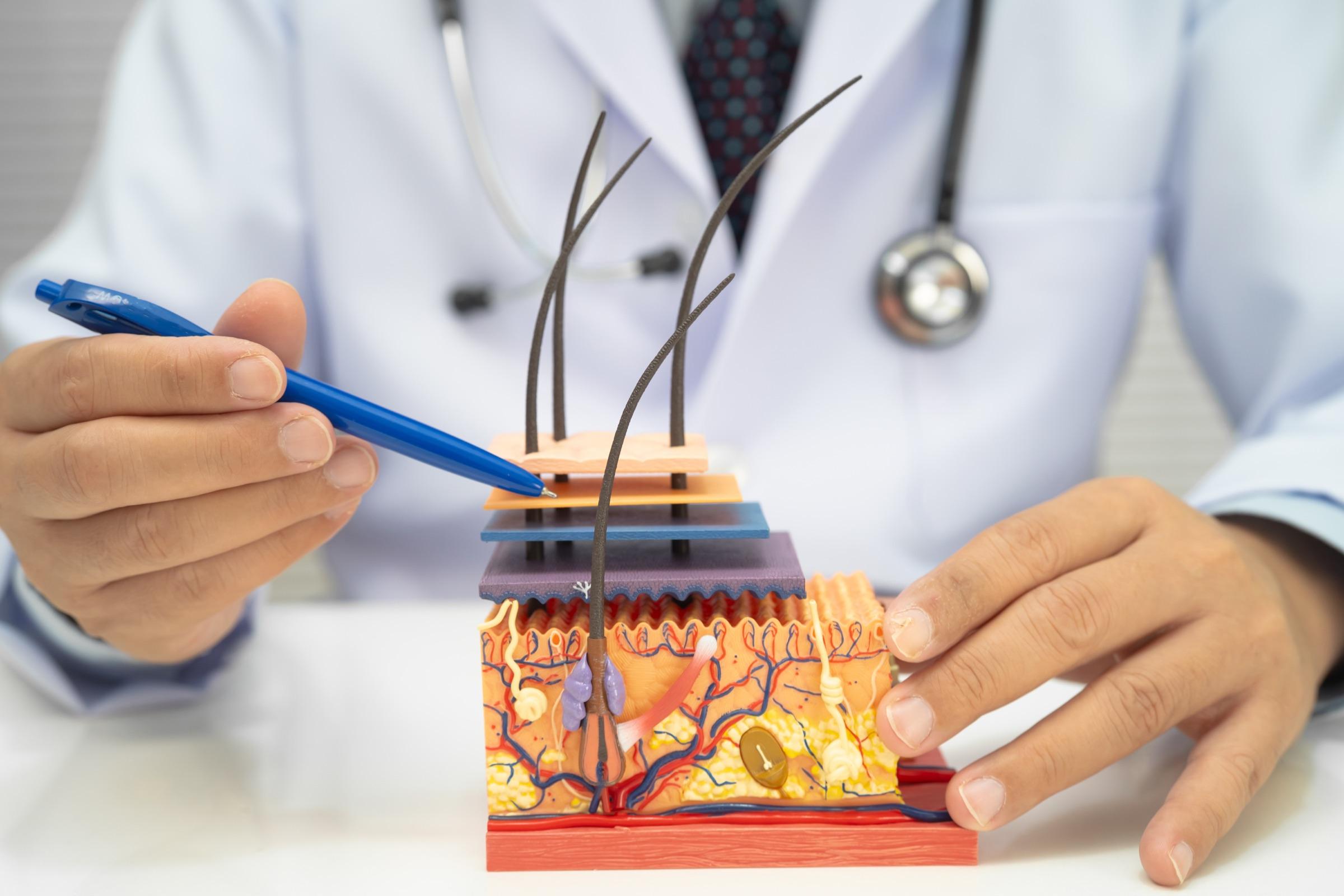
Hair Transplant Shock Loss describes temporary hair shedding that may occur after hair transplantation. It can involve transplanted hair shafts or, in some cases, nearby existing hair. Shedding during the early recovery period does not automatically mean that the transplanted follicles have been permanently lost. Understanding the difference between temporary shedding and other causes of hair loss can help patients interpret the recovery process more realistically.
What Is Shock Loss After Hair Transplantation?
The term shock loss is commonly used to describe shedding that occurs after the physical stress of surgery.
There are two situations that should be distinguished:
- Shedding of transplanted hair shafts after implantation.
- Temporary shedding of existing native hair near the treated area.
Although these processes may occur around a similar period, they are not identical.
Why Does Transplanted Hair Shed?
After transplantation, the visible hair shafts may enter a shedding phase. This is a recognised part of the recovery process.
The follicle may remain within the scalp even when the hair shaft falls out. New hair growth generally develops gradually as the follicle resumes its growth cycle.
Patients should not judge the final result by the appearance of the scalp during the early shedding phase.
What Is Shock Loss of Existing Hair?
Existing native hair around the recipient area may also shed temporarily following surgery. This can be associated with the physical stress of the procedure and changes in the local tissue environment.
Patients with fine, miniaturised or already vulnerable hair may be more susceptible. However, individual risk cannot be predicted with certainty.
In some cases, native hair loss may be permanent rather than temporary, particularly when the underlying hair-loss condition continues to progress.
When Does Shock Loss Occur?
The timing varies between individuals. Shedding of transplanted hair commonly occurs during the early weeks after surgery, while changes in surrounding native hair may follow a different pattern.
New growth usually becomes visible gradually over the following months. The exact timeline depends on individual healing and hair-growth cycles.
Patients should follow the recovery plan provided by their treating medical team rather than compare their progress with fixed online timelines.
Does Shock Loss Mean the Transplant Has Failed?
No. Temporary shedding of the visible hair shaft does not necessarily indicate graft failure.
However, persistent loss of native hair, infection, inflammation or other complications may affect the final appearance. If shedding is accompanied by pain, marked redness, discharge or worsening symptoms, medical assessment is necessary.
Can Shock Loss Be Prevented?
There is no method that can guarantee prevention of shock loss.
Careful surgical planning, appropriate graft handling and suitable post-operative care are important. The physician should also assess existing hair and the patient’s pattern of hair loss before surgery.
Patients should not use medication or topical products to prevent shedding unless these have been recommended by their physician.
What Happens After the Shedding Phase?
Following the initial shedding period, new growth may become visible gradually. Hair thickness, coverage and texture can continue to change as the growth cycle progresses.
The final appearance should be evaluated over an appropriate follow-up period. A single photograph taken during early recovery cannot reliably establish the outcome.
When Should Patients Contact Their Clinic?
Patients should contact their medical team if shedding is accompanied by:
- Increasing pain.
- Spreading redness.
- Fever.
- Pus-like discharge.
- Significant swelling.
- Sudden or unusual changes in the scalp.
These symptoms may indicate a problem that needs medical assessment.
Conclusion
Hair Transplant Shock Loss is a term used for temporary shedding that may affect transplanted hair shafts or existing native hair after surgery. It does not automatically mean that the procedure has failed. However, the cause of persistent or unusual hair loss should be assessed by a physician. Patients should be given realistic information about the shedding phase and the gradual nature of hair regrowth.
Consultation
Request a consultation
Contact the clinic to request a consult or an offer.
Renewa ClinicSuadiye, Emin Ali Paşa Cd. No:43, 34740 Kadıköy/İstanbul
Private ClinicSuadiye, Bağdat Cad. No:429/5, 34740 Kadıköy/İstanbul, Türkiye
HoursWeekdays 09:00–17:00Saturday 09:00–14:00