
Hair ·
Hair Transplant Graft Planning: How Are Grafts Estimated and Distributed?
How the number of grafts is estimated and distributed, and why donor capacity, hair characteristics and future hair loss matter more than the highest count.
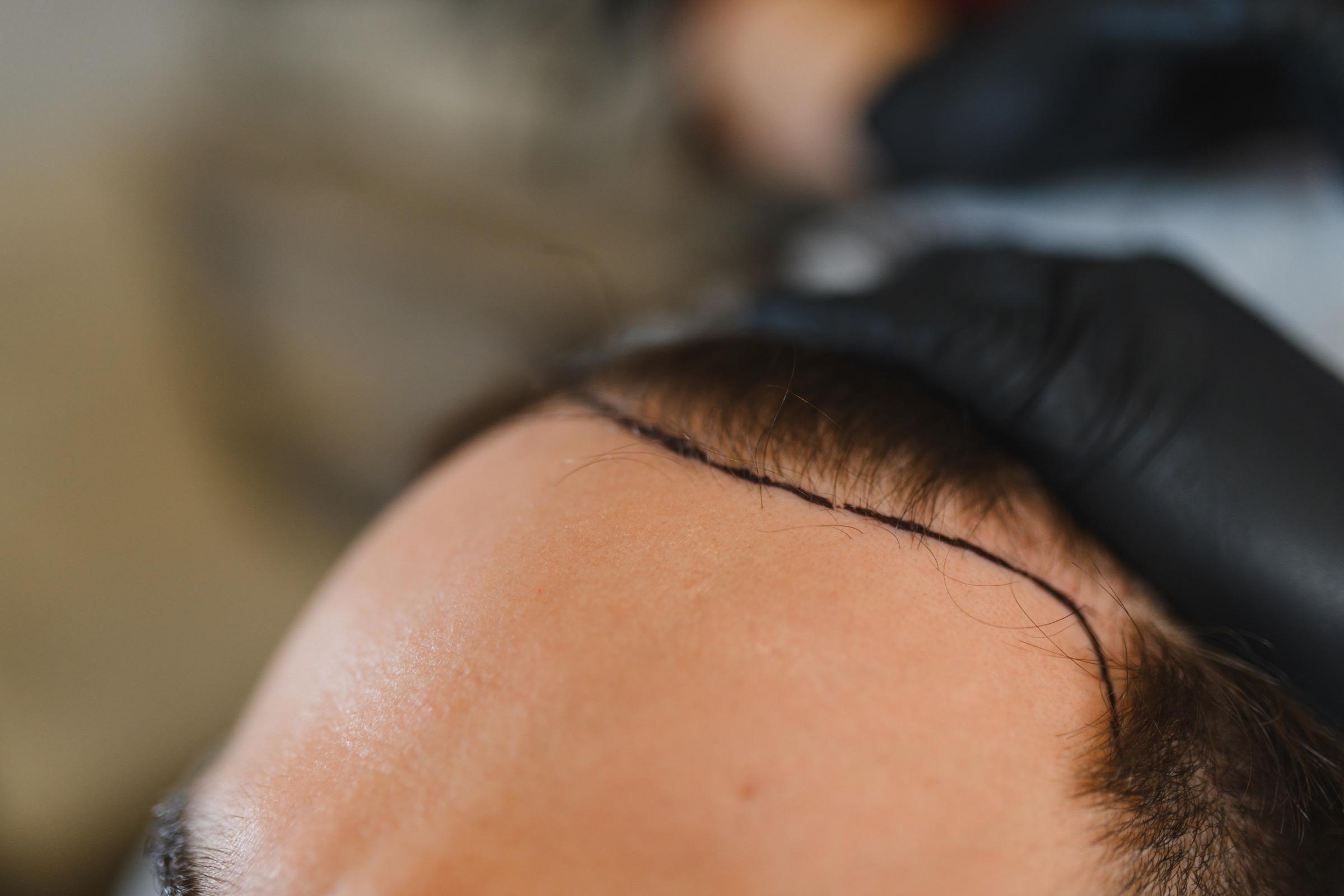
Hair Transplant Graft Planning is one of the most important stages of surgical hair restoration. The number of grafts required cannot be determined by the size of a bald area alone. A responsible plan considers donor capacity, hair characteristics, the extent of hair loss, the patient’s expectations and the possibility of future progression. The aim is to use available grafts carefully rather than simply maximise the number transplanted.
What Is a Hair Transplant Graft?
A graft is a small unit of tissue containing one or more hair follicles. In scalp hair transplantation, grafts are generally follicular units that naturally contain one, two, three or occasionally more hairs.
Graft count and hair count are not the same. For example, a procedure involving 2,000 grafts may contain more than 2,000 individual hairs. The exact number depends on the composition of the extracted follicular units.
Patients should clarify whether a quoted number refers to grafts or individual hairs.
How Is the Required Number of Grafts Estimated?
The estimated graft requirement is based on several clinical considerations.
1. Size of the Recipient Area
The physician evaluates the areas affected by hair loss, including the frontal hairline, temples, mid-scalp and crown. Each region may require a different distribution strategy.
2. Existing Hair Density
Existing hair must be considered when planning the placement of new grafts. The objective is to improve coverage while protecting the existing follicles and avoiding unnecessary trauma.
3. Donor-Area Capacity
The donor area is a limited resource. Its density, distribution, hair characteristics and usable surface area influence how many follicular units can safely be harvested.
4. Hair Characteristics
Hair calibre, curl pattern, colour contrast between hair and scalp, and the number of hairs in each follicular unit can influence the visual coverage achieved by a given graft count.
5. Future Hair Loss
Hair loss may continue after transplantation. Planning should take possible future progression into account, particularly in younger adults or patients with an evolving pattern of hair loss.
Why Graft Distribution Matters
The number of grafts is only one part of the treatment plan. Their distribution across the recipient area is equally important.
The frontal hairline often requires careful placement of single-hair follicular units to create a softer transition. Behind the hairline, follicular units containing more hairs may be considered for greater coverage, depending on the patient’s anatomy and surgical plan.
The crown may require a different strategy because hair direction and the natural whorl pattern influence how coverage appears.
A plan that concentrates too many grafts in a small area may leave insufficient donor resources for other areas or future procedures.
Can a Higher Graft Count Guarantee Greater Density?
No. A higher graft count does not automatically produce a better or denser result.
The safe number of grafts depends on the donor area and the patient’s individual characteristics. Excessive extraction may compromise donor appearance. Dense implantation may also be unsuitable in some circumstances, depending on blood supply, tissue characteristics and the condition of the recipient area.
The objective is a balanced plan that respects biological and surgical limitations.
Can the Graft Number Be Determined from Photographs?
Photographs can help with an initial assessment, but they cannot always provide enough information for a reliable surgical plan.
Image quality, lighting, hair length and styling can affect the visual assessment. A clinical examination is needed to evaluate donor density, scalp characteristics and other factors relevant to surgery.
A preliminary estimate should therefore not be treated as a final graft commitment.
Why Future Hair Loss Must Be Considered
Transplanted follicles may continue to grow, but non-transplanted native hair can remain susceptible to the underlying hair-loss process.
If surrounding hair continues to thin, the relationship between transplanted and existing hair may change. This can affect the overall appearance and may lead to a need for further treatment.
A conservative hairline and careful donor management can help preserve options for the future.
Conclusion
Hair Transplant Graft Planning requires more than estimating the number of grafts needed to cover a visible area. It involves evaluating donor capacity, hair characteristics, existing density and possible future hair loss. A personalised plan should balance coverage with long-term donor preservation. The final graft estimate should be determined after an appropriate medical assessment.
Consultation
Request a consultation
Contact the clinic to request a consult or an offer.
Renewa ClinicSuadiye, Emin Ali Paşa Cd. No:43, 34740 Kadıköy/İstanbul
Private ClinicSuadiye, Bağdat Cad. No:429/5, 34740 Kadıköy/İstanbul, Türkiye
HoursWeekdays 09:00–17:00Saturday 09:00–14:00