
Hair ·
Hair Transplant Aftercare: How to Protect the Scalp After Surgery
Washing, sleeping, exercise, sun exposure and medication after a hair transplant, plus the warning signs that need medical attention.
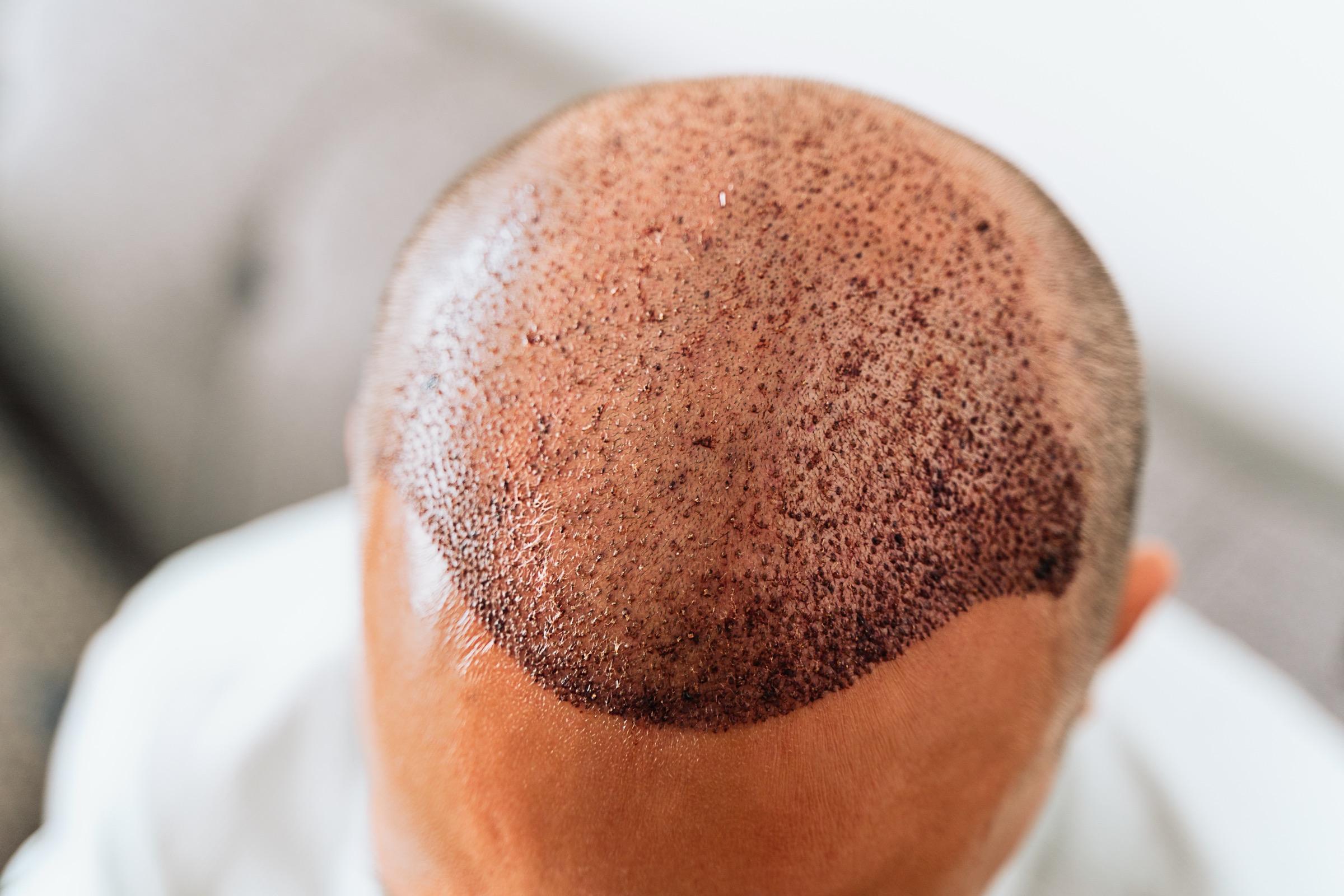
Hair Transplant Aftercare is an important part of the recovery process. Following the procedure, both the donor and recipient areas need time to heal. Patients should follow their medical team’s instructions for washing, sleeping, activity and medication. Aftercare cannot guarantee a particular result, but appropriate care helps reduce avoidable disturbance during the healing period.
Why Is Aftercare Important?
Hair transplantation involves small surgical wounds in the donor and recipient areas. During the early recovery period, the scalp may be sensitive, swollen or covered with small crusts.
The transplanted follicles need time to settle into the recipient tissue. Excessive friction, scratching or pressure may disturb healing.
Instructions can vary according to the surgical technique and the patient’s individual condition. The clinic’s specific post-operative plan should take priority over general online guidance.
The First 24 to 48 Hours
The first days after surgery require particular care.
Patients are generally advised to:
- Avoid touching, rubbing or scratching the recipient area.
- Follow the recommended sleeping position.
- Avoid activities that may cause accidental impact to the scalp.
- Take prescribed medication according to the medical instructions.
- Avoid washing the scalp until the clinic’s specified time.
- Contact the medical team if unexpected symptoms develop.
The exact instructions should be provided by the treating clinic. Patients should not independently change medication or apply unapproved products.
Washing the Scalp After Hair Transplantation
The timing and method of the first wash depend on the surgical team’s protocol.
When washing begins, patients may be instructed to use a gentle technique and avoid direct pressure on the recipient area. Rubbing or forcibly removing crusts should be avoided unless specifically instructed by the medical team.
Crusting is a common part of early healing. It should not be removed aggressively.
Sleeping After Hair Transplantation
The recommended sleeping position may be designed to minimise contact with the recipient area and help manage early swelling.
Patients should follow the position and duration advised by their clinic. The appropriate arrangement can vary according to the treated area and the patient’s recovery.
Exercise and Physical Activity
Strenuous exercise may need to be restricted during the early recovery period. Activities that increase sweating, create friction or expose the scalp to accidental impact may interfere with healing.
The timing for returning to exercise should be determined by the treating physician. Contact sports and activities with a risk of head injury require particular caution.
Sun Exposure, Swimming and Hair Products
Patients may be advised to avoid direct sun exposure on the healing scalp. Swimming pools, seawater, saunas and certain hair products may also need to be avoided temporarily.
The duration of these restrictions varies. Patients should ask their clinic when it is appropriate to resume each activity.
Shedding After Hair Transplantation
Transplanted hair shafts commonly shed during the weeks following surgery. This is often referred to as post-transplant shedding or shock loss, although these terms can describe different processes.
Shedding of the visible hair shaft does not necessarily mean that the follicle has been lost. New growth generally develops gradually over the following months.
Patients should contact their medical team if shedding is accompanied by significant pain, inflammation, discharge or other concerning symptoms.
Medication and Topical Products
Patients should use only medication and topical products recommended by their treating physician.
Some patients may already use treatments for hair loss. Whether these should be continued, paused or restarted depends on the individual medical plan.
There is no single medication schedule suitable for everyone. Patients should not start or stop prescription treatments without medical advice.
Warning Signs After Surgery
Mild discomfort, swelling and redness may occur during recovery. However, increasing pain, spreading redness, fever, pus-like discharge, significant bleeding or rapidly worsening swelling require medical attention.
Patients should contact their clinic promptly if they experience these symptoms. Severe or rapidly worsening symptoms may require urgent assessment.
Conclusion
Hair Transplant Aftercare supports the healing process and helps patients avoid unnecessary disturbance to the scalp after surgery. Washing, sleeping, exercise, sun exposure and medication instructions should be personalised by the treating medical team. Patients should follow their clinic’s guidance and seek medical advice if symptoms are unexpected or worsening.
Consultation
Request a consultation
Contact the clinic to request a consult or an offer.
Renewa ClinicSuadiye, Emin Ali Paşa Cd. No:43, 34740 Kadıköy/İstanbul
Private ClinicSuadiye, Bağdat Cad. No:429/5, 34740 Kadıköy/İstanbul, Türkiye
HoursWeekdays 09:00–17:00Saturday 09:00–14:00