Hair ·
Natural Hairline Design: Principles of a Balanced Hair Transplant
A natural hairline depends on age, facial proportions, existing hair, donor capacity and future hair loss, not on a fixed measurement.
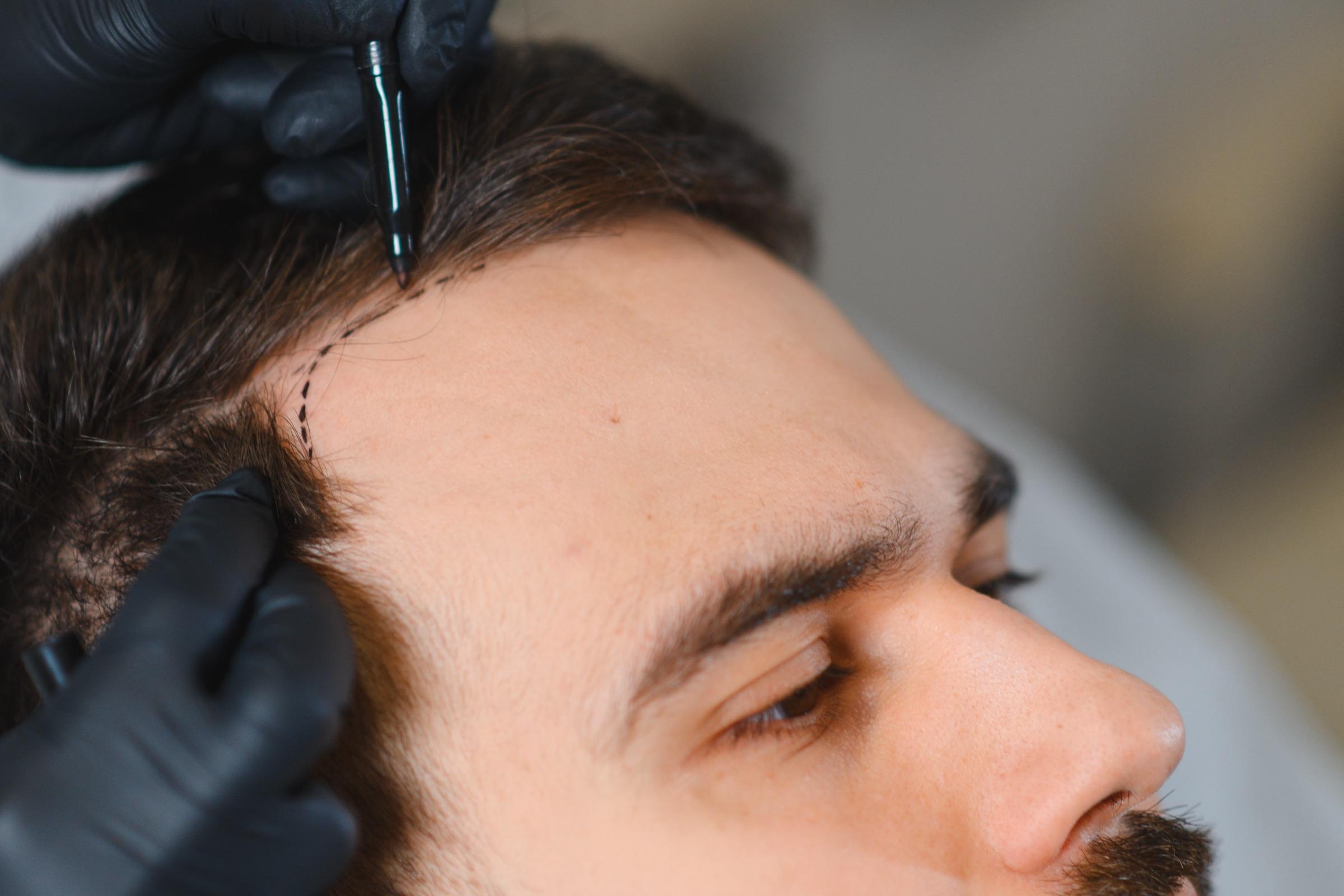
Natural Hairline Design is one of the most important elements of a hair transplant because the frontal hairline strongly influences the overall appearance of the face. A natural result depends on more than placing grafts along a planned border. Age, facial proportions, existing hair, donor capacity and the possibility of future hair loss must all be considered.
What Makes a Hairline Look Natural?
A natural hairline is not necessarily perfectly straight or symmetrical. Natural hairlines usually contain subtle irregularities and gradual transitions between the forehead and denser hair.
A design that looks appropriate for one person may not suit another. The hairline should be planned according to individual facial features and hair characteristics.
Factors Considered During Hairline Design
Facial Proportions
The forehead, temples and overall facial structure help guide the design. The objective is to create a balanced appearance rather than apply a fixed measurement to every patient.
Age and Hair-Loss Pattern
A very low hairline may appear less suitable as the patient ages or if hair loss progresses. The plan should consider both the current appearance and possible future changes.
Existing Hair
The position, density and direction of existing hair influence where grafts can be placed. The physician should consider the relationship between transplanted follicles and native hair.
Donor Capacity
The donor area provides a limited number of follicular units. A design that requires too many grafts may compromise the resources available for other areas or future treatment.
Hair Characteristics
Hair calibre, colour contrast, curl pattern and follicular-unit composition influence the visual appearance of the hairline.
Why Are Single-Hair Grafts Often Used at the Front?
The frontal transition zone generally requires a soft and gradual appearance. Single-hair follicular units may be selected for the front edge, with larger follicular units placed behind them when appropriate.
The distribution must reflect the patient’s natural hair characteristics. Using larger grafts directly at the frontal edge may create an abrupt or less natural appearance.
What Is the Role of Hair Direction and Angle?
Hair does not grow vertically from the scalp in a uniform direction. Its angle and orientation vary across the frontal region, temples and crown.
The surgeon must consider these natural patterns when planning recipient sites and placing grafts. Incorrect direction can make transplanted hair difficult to style or visually different from surrounding hair.
Can a Receding Hairline Be Lowered?
In selected patients, the frontal hairline may be reconstructed or lowered. However, the extent of lowering depends on donor availability, facial proportions, existing hair and the likely progression of hair loss.
A lower hairline is not automatically a better design. Excessive lowering may require a large number of grafts and reduce the resources available for future needs.
Why Should the Temples Be Considered Separately?
The temporal regions contribute to the transition between the frontal hairline and the sides of the scalp. Their shape and direction vary between individuals.
Temple reconstruction requires careful planning because the hair is often finer and grows at a different angle. Not every patient requires temple work, and the decision should be based on individual anatomy and expectations.
Can a Hairline Be Corrected After a Previous Transplant?
Correction may be considered when a previous hairline is too low, too straight, asymmetrical or has an unnatural direction. However, revision surgery can be more complex than a first procedure.
The physician must evaluate the existing grafts, donor availability, scarring and the feasibility of correction. Some cases may require more than one treatment stage.
Conclusion
Natural Hairline Design requires a personalised approach that considers facial proportions, age, existing hair, donor capacity and future hair loss. A carefully planned hairline should look appropriate not only immediately after transplantation but also as the patient gets older. The final design should be discussed with the treating surgeon before surgery.
Consultation
Request a consultation
Contact the clinic to request a consult or an offer.
Renewa ClinicSuadiye, Emin Ali Paşa Cd. No:43, 34740 Kadıköy/İstanbul
Private ClinicSuadiye, Bağdat Cad. No:429/5, 34740 Kadıköy/İstanbul, Türkiye
HoursWeekdays 09:00–17:00Saturday 09:00–14:00