

Overview
Hair transplantation is the gold-standard and most effective method for the treatment of male hair loss. The most common cause is androgenetic alopecia, which often begins in the early 20s, typically has a family history, and progresses gradually until the late 40s. Treatment options for hair loss can be grouped into two categories: 1) medical treatment and 2) surgical treatment. Among surgical options, hair transplantation remains the most successful, reliable, predictable, and natural-appearing solution when performed by experienced hands, providing permanent hair restoration and highly satisfactory results in suitable candidates.
Who Are Candidates for Hair Transplantation?
Patients are considered suitable candidates for hair transplantation when they have a stable pattern of androgenetic alopecia, sufficient donor hair density, good general health, a healthy scalp, realistic expectations, and psychological readiness for surgery. These factors are critical to achieving natural hair transplant results.
Who Are Not Suitable for Hair Transplantation?
Hair transplantation is generally not recommended in cases of active or unstable hair loss conditions such as alopecia areata or telogen effluvium, inadequate donor supply, uncontrolled systemic diseases, active scalp infection or inflammation, or a tendency toward keloid scarring. It is also avoided in heavy smokers, individuals with substance abuse, unrealistic expectations, or psychological instability. Patients using anticoagulants or immunomodulatory medications require proper medical optimization, and hair transplantation should be postponed during pregnancy, breastfeeding, or following recent chemotherapy or radiation-related scalp damage.
Planning & Natural Hairline Design
A natural front hairline design in male hair transplantation should respect the patient’s age, facial proportions, and existing hair pattern rather than creating an unnaturally low or straight line. The hairline should have a soft, irregular outline with micro- and macro-zigzag variations. The transition zone is built using single-hair grafts placed at lower density (15–30 grafts/cm²), while density is gradually increased posteriorly using two- and three-hair grafts (30–40 grafts/cm²) to create a natural gradient. The temporal angles should be age-appropriate so that the result remains natural and harmonious over time.
How Is Hair Transplantation Performed?
Hair transplantation is usually performed under local anesthesia, with sedation if needed. The technique is selected based on the patient’s suitability — including Follicular Unit Extraction (FUE), Direct Hair Implantation (DHI), or long-hair transplantation methods. Hair follicles genetically resistant to shedding are harvested from the donor area on the back of the head and meticulously implanted into the recipient area. The quantity, quality, and density of the donor area are the main determinants of success. Additional factors include hair shaft thickness, the number of hairs per follicle, and recipient site characteristics.
What Should You Expect After Hair Transplantation?
Successful hair transplantation outcomes depend greatly on adherence to postoperative instructions. In the first 10 days, the scalp is gently cleaned, antibiotic ointment is applied to the donor area, and the first hair wash is performed within 24–48 hours. Patients should sleep on their backs and avoid pressure on the grafts. After day 10, normal social activity can gradually resume, while strenuous exercise should be avoided until week 4 and sun exposure minimized for 8 weeks. Minoxidil and supportive medical therapies may be introduced from week 3. Initial shedding commonly begins after the second week, early regrowth appears around month 3, approximately 50% coverage is seen by month 6, and final natural hair transplant results are typically achieved within 12 months.
Hair transplantation is one of the most effective and permanent solutions for individuals experiencing hair loss, androgenetic alopecia, alopecia, male pattern hair loss, and female pattern hair loss. Advances in modern surgical techniques now allow patients to restore natural hair density using minimally invasive procedures with minimal scarring and rapid recovery.
Hair restoration procedures redistribute healthy hair follicles from the donor area—typically the back of the scalp—to thinning or balding areas. Today, advanced techniques such as FUE, DHI, and long-hair transplantation provide reliable treatment options for patients suffering from progressive pattern hair loss and alopecia.
What Causes Hair Loss?
The most common cause of permanent hair thinning worldwide is androgenetic alopecia, also known as male pattern hair loss (male pattern baldness) and female pattern hair loss.
This condition is genetically determined and gradually leads to progressive thinning of hair follicles. Over time, affected follicles produce thinner and shorter hairs until visible balding areas develop.
Other types of alopecia may also cause hair loss, but androgenetic alopecia remains the most common reason patients seek professional hair restoration treatment.
Why Modern Hair Transplantation Techniques Are Preferred
Modern approaches to hair transplant surgery aim to provide:
- Natural-looking hairlines
- Permanent hair restoration
- Minimal scarring
- Faster recovery time
- Maximum donor-area preservation
Most procedures take approximately 6–7 hours depending on the number of grafts transplanted. Because the procedures are performed under local anesthesia, patients remain comfortable throughout the operation.
FUE – Follicular Unit Extraction
What Is FUE Hair Transplantation?
FUE (Follicular Unit Extraction) is one of the most widely used techniques in modern hair transplantation and hair restoration.
In this method, individual follicular units are carefully extracted from the donor area using micro-punch instruments. The grafts are then implanted into recipient areas where hair density needs improvement.
Key Advantages of FUE
- No linear scar
- Natural-appearing results
- Comfortable healing process
- Suitable for most hair types
DHI – Direct Hair Implantation
What Makes DHI Different?
DHI (Direct Hair Implantation) uses special implanter devices known as Choi pens, allowing follicles to be implanted directly into the scalp without creating separate channels beforehand.
Benefits of DHI Hair Transplantation
- Minimal bleeding
- Reduced trauma to the scalp
- Better preservation of existing hair
- High-precision graft placement
DHT – Direct Hair Transplantation
DHT (Direct Hair Transplantation) is a variation of minimally invasive hair transplantation methods in which follicles are implanted shortly after extraction. By reducing the time grafts remain outside the body, this approach may help preserve graft vitality and survival rate in carefully selected patients.
Beard Transplantation
Beard transplantation can improve facial hair density in men with patchy or uneven beard growth. Techniques such as FUE or DHI are typically used to achieve natural beard design.
Principles of Natural Beard Design
- Facial symmetry analysis
- Natural border definition
- Correct hair angulation
- Matching natural hair direction
The procedure is performed under local anesthesia and usually takes 4–8 hours.
Long Hair Transplantation
Long hair transplantation (also known as long-to-long hair transplantation) allows grafts to be transplanted without shaving the hair in both donor and recipient areas.
This technique requires advanced surgical skill and careful planning but can produce excellent aesthetic outcomes in suitable patients.
Safety and Medical Standards
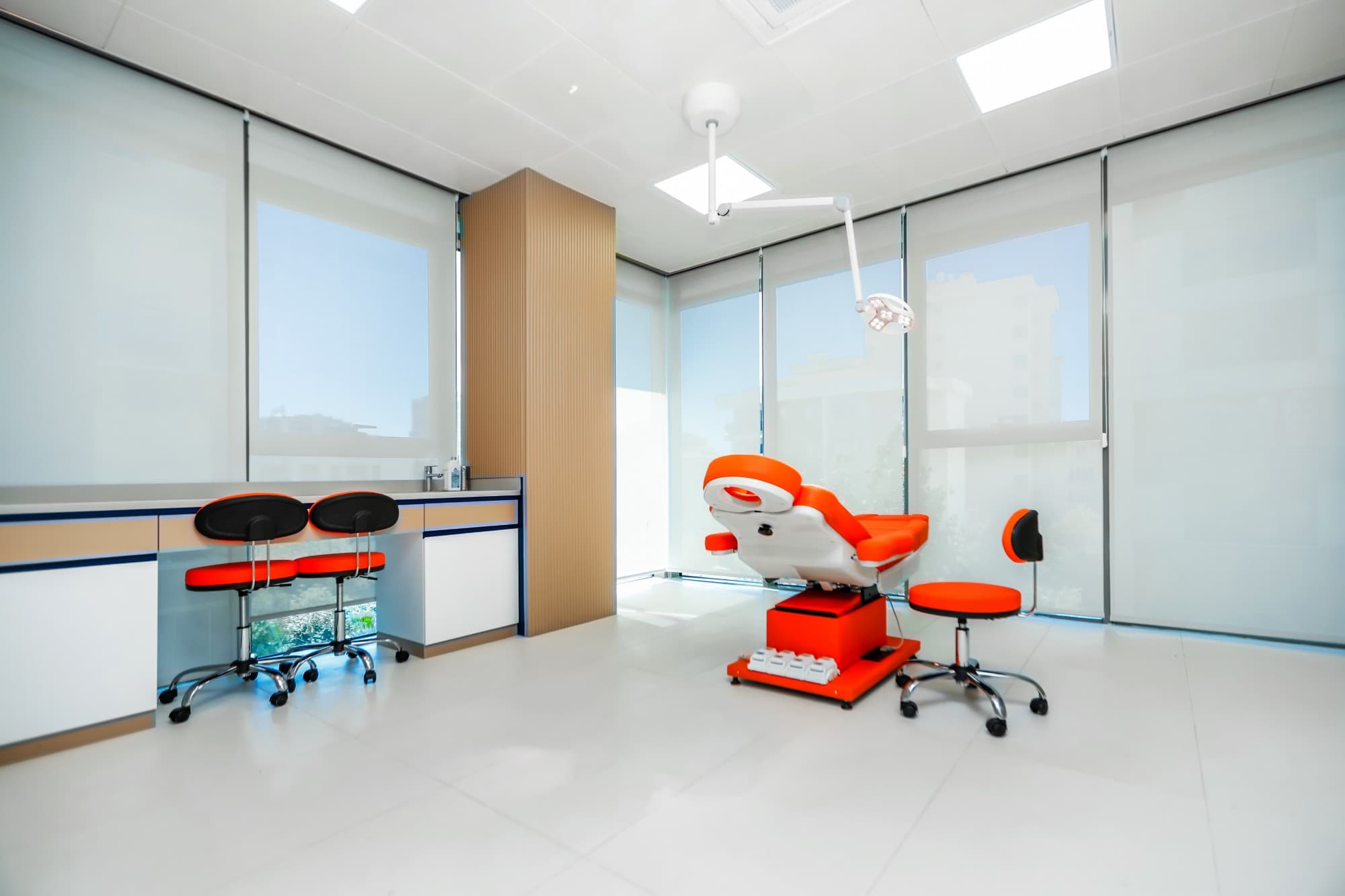
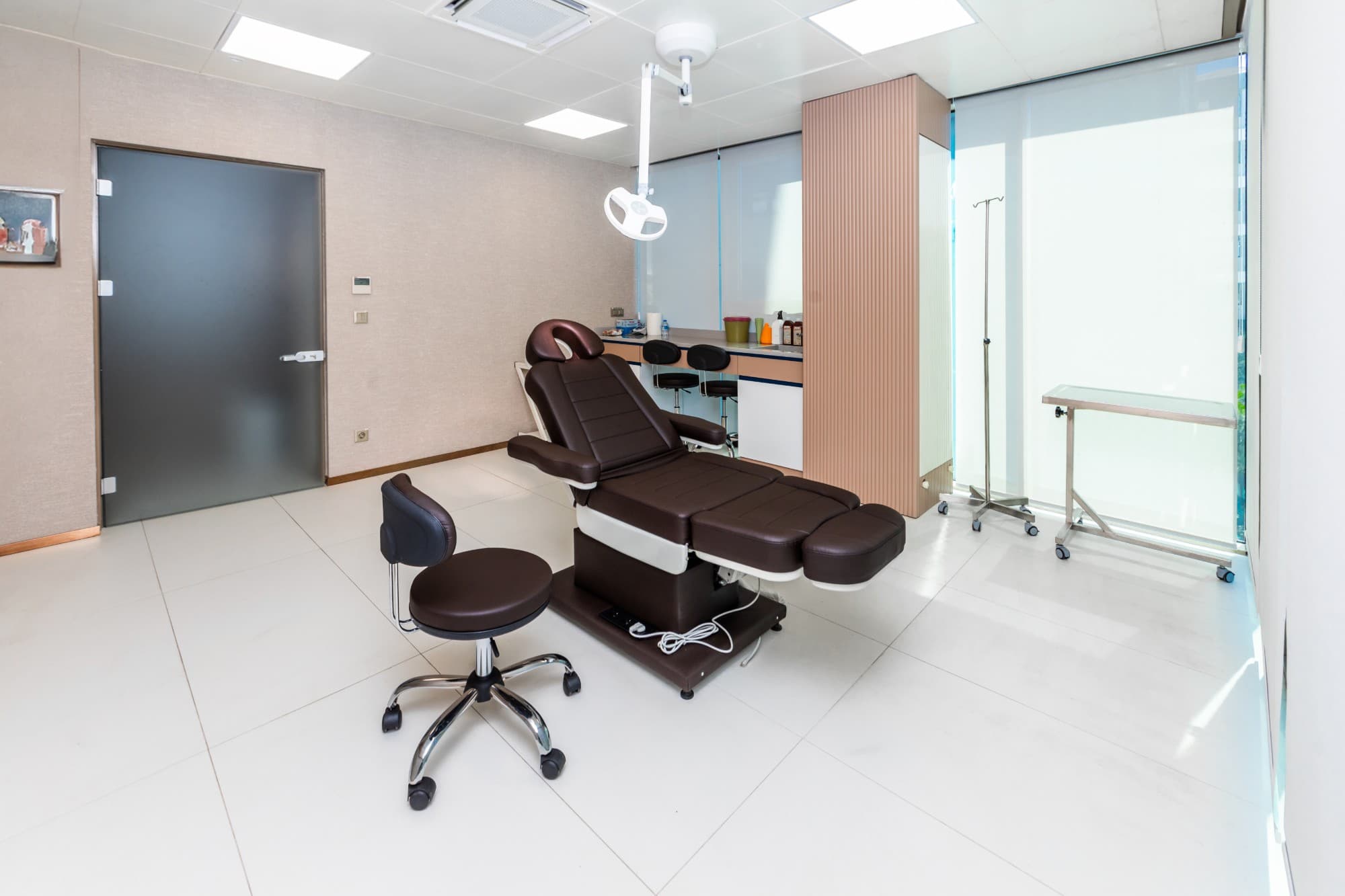
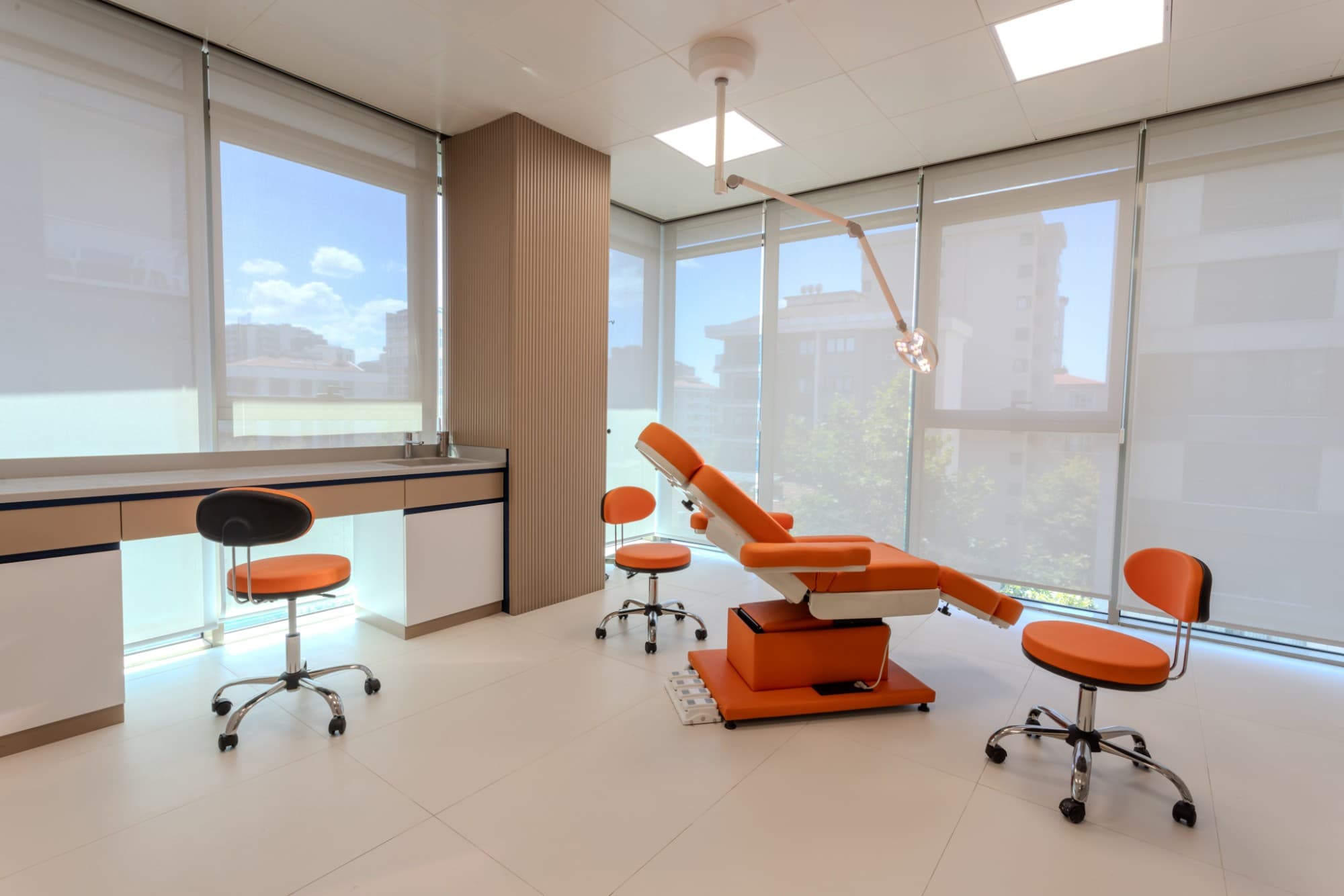
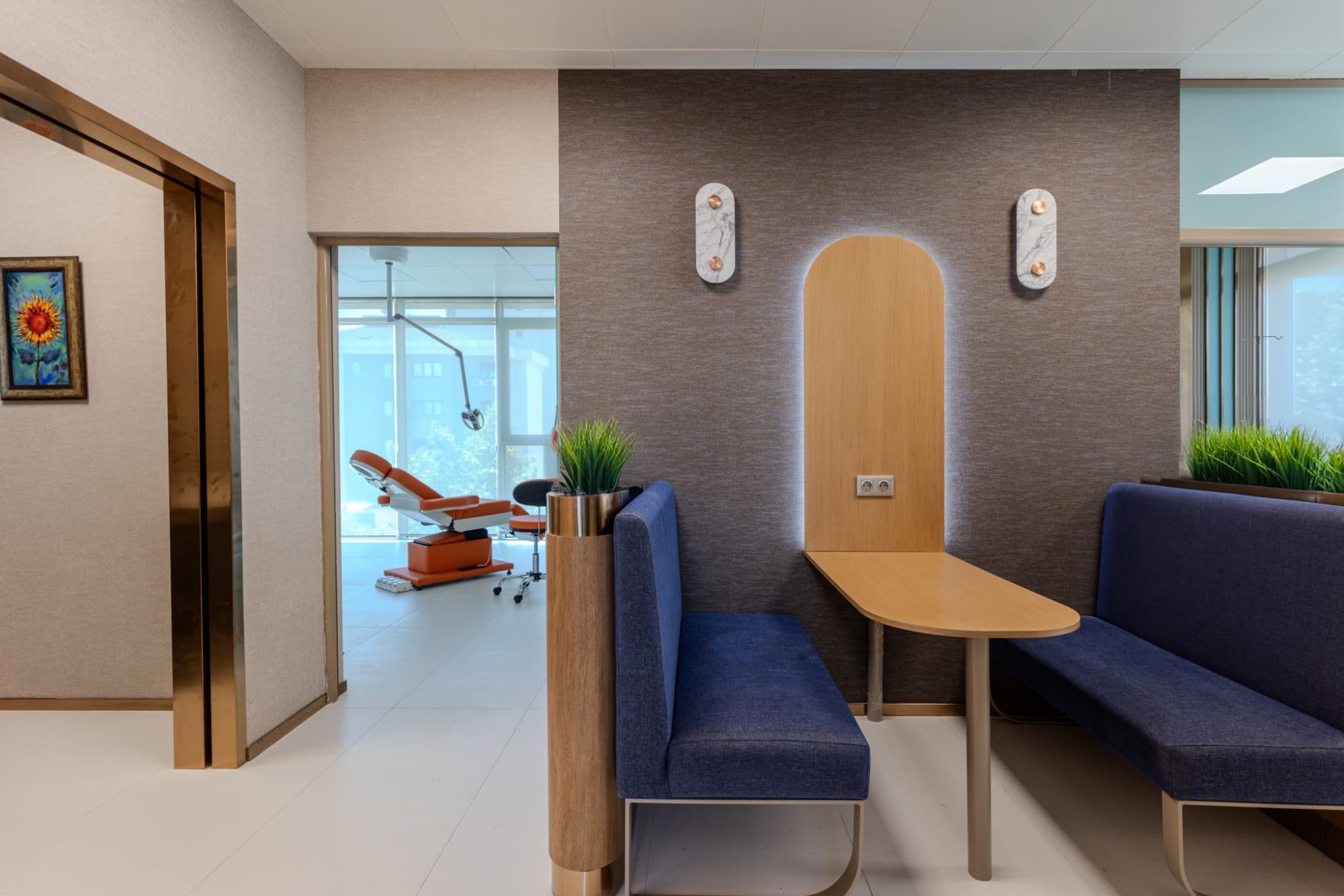
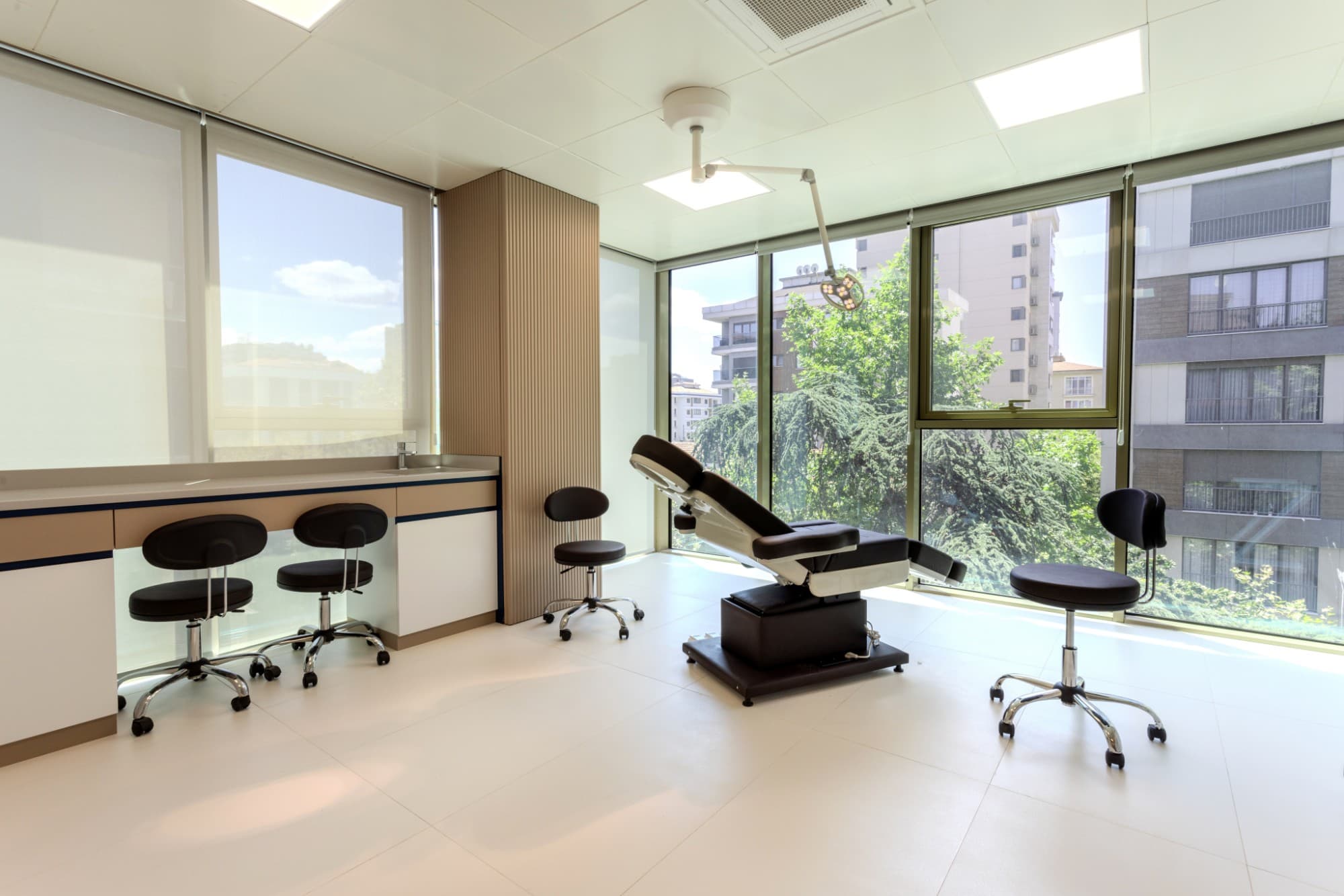
Hair transplantation should always be performed in a licensed surgical facility under sterile conditions by experienced medical professionals. Proper patient selection, careful surgical planning, and advanced techniques ensure both patient safety and natural-looking hair restoration results.
Supporting & Complementary Treatments in Hair Transplantation
In addition to modern hair transplantation techniques, supportive and complementary treatments may be used to enhance the quality of the transplanted hair, improve scalp health, and help protect existing follicles. These adjuncts are selected individually based on the patient’s hair-loss pattern, biological characteristics, and medical suitability. Common supportive therapies include PRP (Platelet-Rich Plasma), Autologous Tissue Suspension (stem-cell-based applications), medical solutions, and injectable hair-strengthening cocktails.
PRP – Platelet-Rich Plasma Therapy
PRP (Platelet-Rich Plasma) is one of the most frequently used supportive treatments in hair restoration. Platelets naturally contain growth factors that play an important role in cell repair, healing, and tissue regeneration. When PRP is injected into the scalp, these growth factors help stimulate the hair follicles, support hair quality, reduce shedding, and encourage healthier, stronger hair growth over time. PRP can be used both before and after hair transplantation to optimize the outcome in suitable candidates.
Autologous Tissue Suspension (Stem-Cell-Based Therapy)
Autologous Tissue Suspension involves obtaining a small amount of the patient’s own fat tissue — usually from the abdominal area — under sedation in a sterile, controlled environment. This tissue is processed to extract regenerative cellular components, which are then injected into the scalp following hair transplantation. Scientific studies suggest that when this method is combined with PRP, it may further support the survival and health of transplanted follicles, reduce shock loss, and improve scalp quality. As with all medical procedures, results may vary between individuals, and treatment planning should always be personalized.
Patient Compliance & Postoperative Care
Supportive treatments are most effective when combined with strict adherence to postoperative care instructions. Proper hair washing techniques, regular use of prescribed medications, and maintaining close communication with the treating physician significantly increase surgical success. Patients should also avoid unapproved activities such as sauna, steam room, hammam, intense sun exposure, helmet use, hot-tub use, and heavy exercise during the early healing period unless medically cleared. Consistency and medical guidance are key elements of achieving long-term, natural-appearing results.
Exosome Therapy
Exosome therapy is an emerging regenerative treatment that uses bioactive vesicles derived from stem-cell environments to support cellular communication and scalp health. When applied to the scalp, exosomes may help modulate inflammation, stimulate follicular activity, and enhance the quality of both native and transplanted hair. This therapy is being increasingly explored as a complementary option alongside hair transplantation and PRP in appropriately selected patients. As with all regenerative treatments, outcomes can vary, and therapy should be administered in experienced medical settings.